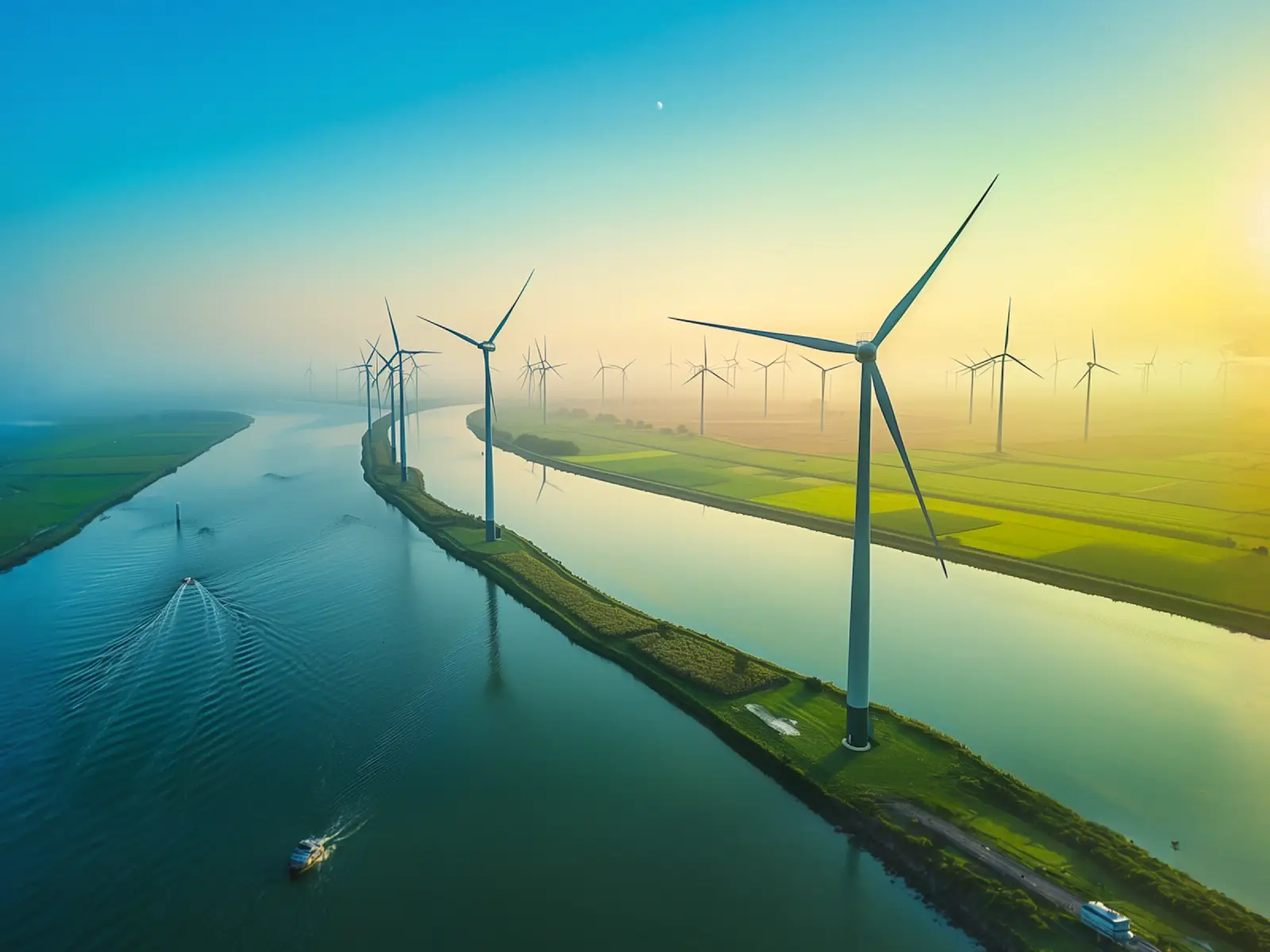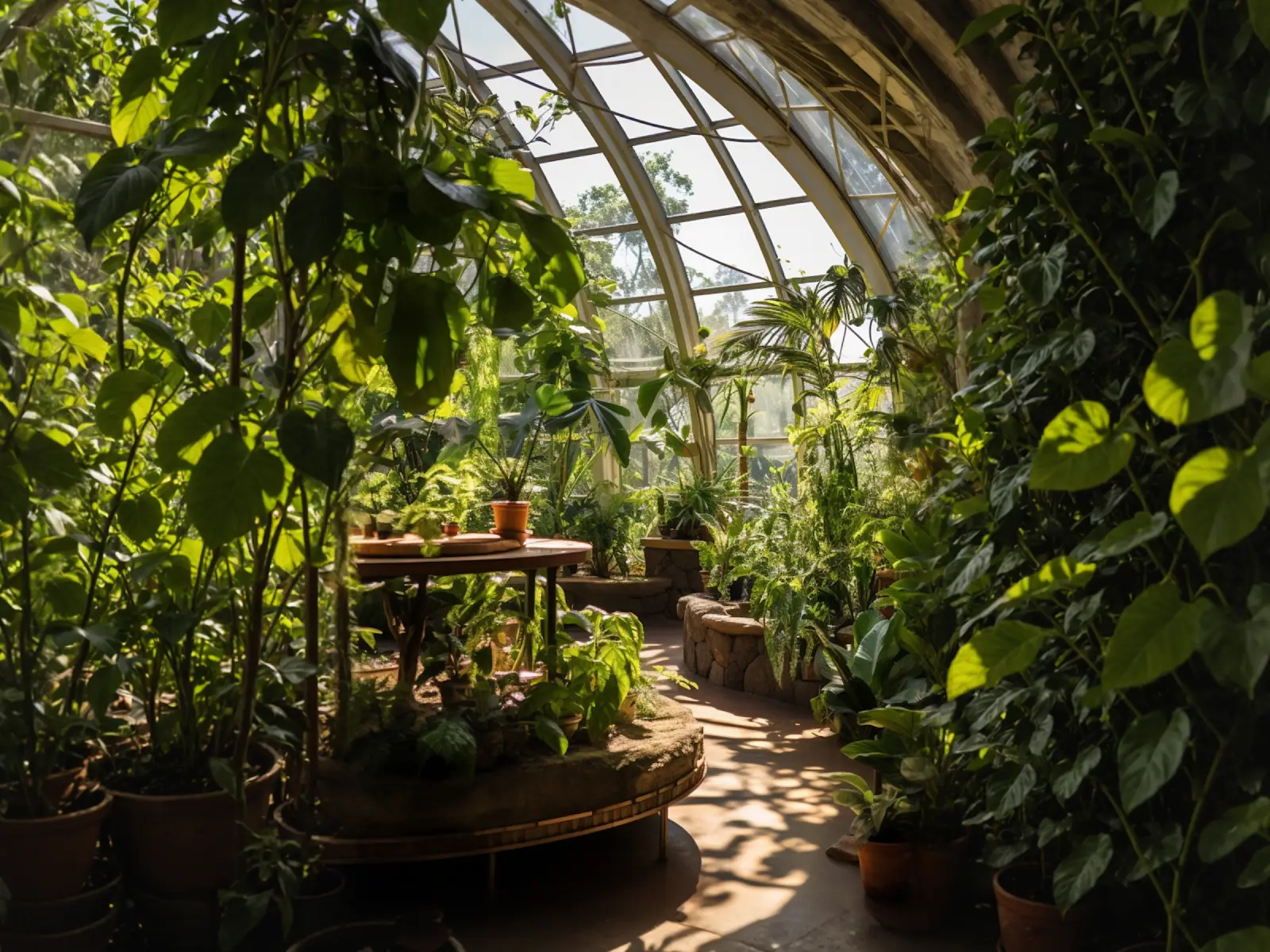

Environmental conservation is increasingly recognized as a foundation for sustainable economic development. Healthy ecosystems provide essential services that support industries, livelihoods, and long-term prosperity.
Rather than limiting growth, conservation protects the resources economies depend on. When natural systems are preserved, economic resilience improves.
This article explores:
Forests, oceans, and waterways provide food, energy, and climate regulation. When these systems are degraded, the economic consequences are significant and often irreversible.
Conservation ensures continuity and balance.
Investing in conservation creates jobs, attracts responsible investment, and reduces future risks. Sustainable resource management supports industries while protecting environmental integrity.
Long-term economic growth depends on environmental health. Conservation aligns prosperity with responsibility, ensuring that development today does not compromise tomorrow.
Protecting nature is not a trade-off—it is a strategy for sustainable progress.

Creating sustainable impact for a better planet.

.webp)